
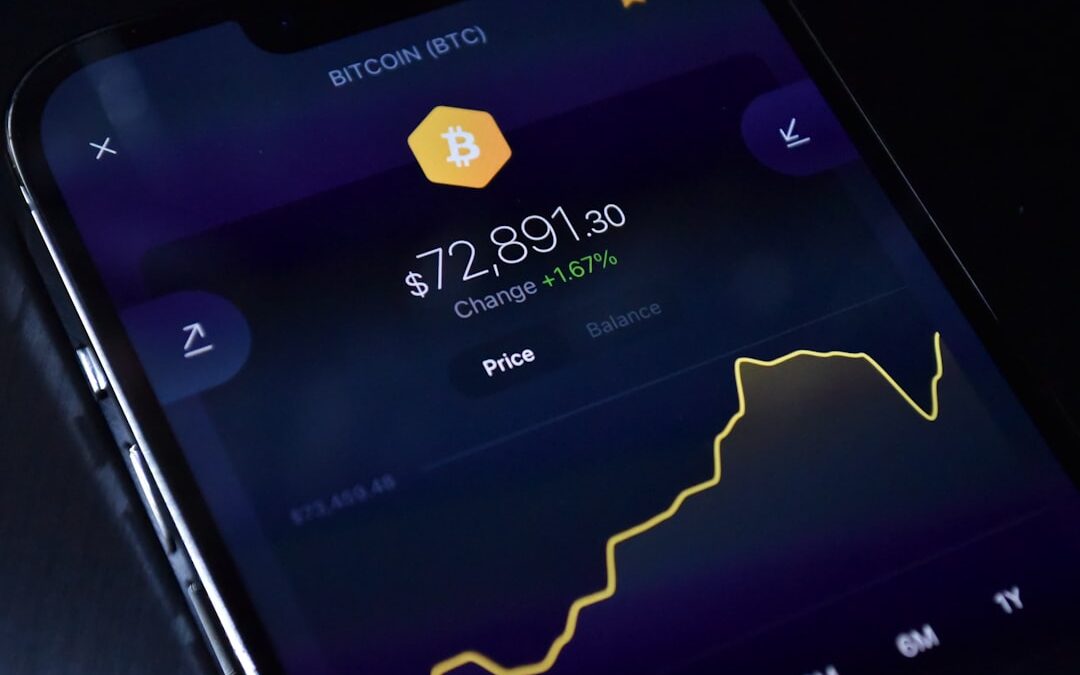
Why Crypto Wallets Are Your Gateway to True Ownership
Crypto wallets are applications that store your private keys and allow you to send, receive, and manage your cryptocurrency. Unlike traditional bank accounts, crypto wallets give you complete control over your digital assets—but that also means you’re fully responsible for keeping them safe.
Quick Answer: What You Need to Know About Crypto Wallets
- What they are: Digital tools that store your private keys (not the actual crypto, which lives on the blockchain)
- Why they matter: They give you ownership and control—no bank or third party can freeze or access your funds
- Main types: Hot wallets (connected to the internet, convenient) and cold wallets (offline storage, most secure)
- Key principle: Your private keys = your crypto. Lose the keys, lose your money forever
- Best practice: Start with a reputable hot wallet for small amounts, move to cold storage as your holdings grow
Recent data shows that 24% of adults now hold crypto—up from 21% just one year ago. As more people enter this space, understanding how to properly store and secure digital assets has never been more important.
Here’s the crucial thing newcomers need to understand: A crypto wallet isn’t like a physical wallet that holds cash. It’s more like a keychain that holds the passwords (private keys) to access your crypto on the blockchain. Think of it this way—if the blockchain is a giant safe deposit box facility, your wallet holds the keys to your specific box. Anyone with those keys can open your box and take what’s inside.
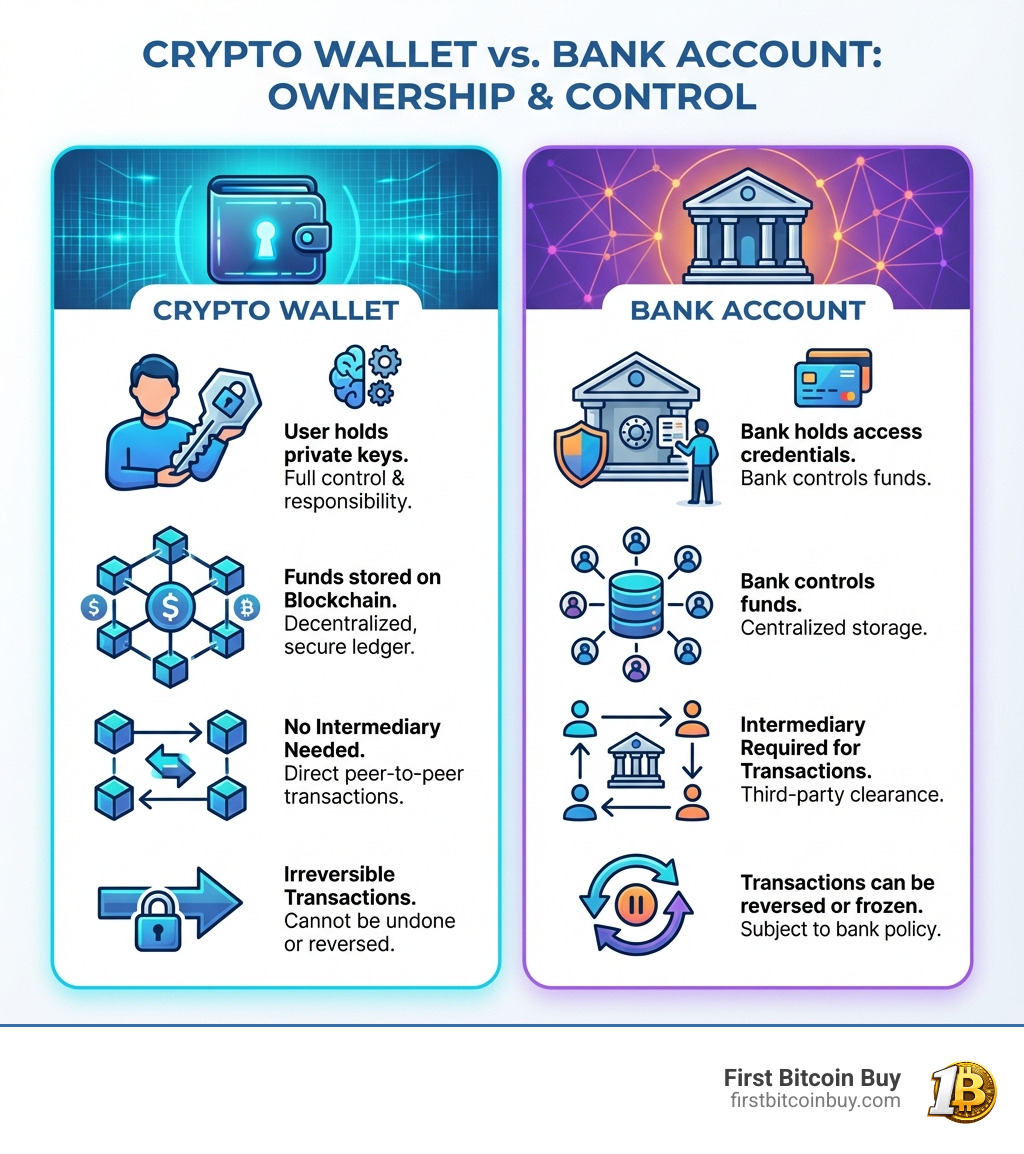
This is why the crypto community has a saying: “Not your keys, not your coins.” When you keep crypto on an exchange, the exchange controls the keys. When you use your own wallet, you control the keys—and therefore truly own your crypto.
I’m Randy Speckman, and I’ve spent years helping people safely steer their first steps into cryptocurrency, including setting up and securing crypto wallets using proven strategies. My purpose is to make complex technology accessible so you can achieve your financial goals safely.
Understanding How Crypto Wallets Work
At its core, a crypto wallet is not a place where your digital currency physically resides. This is a common misconception! Instead, your cryptocurrency holdings “live” on the blockchain itself – a vast, distributed public ledger. What your crypto wallet actually holds are the cryptographic keys that prove your ownership of those digital assets on the blockchain and allow you to make transactions.
Imagine the blockchain as a massive, transparent library where every book (cryptocurrency transaction) is recorded and verifiable by everyone, but no one can alter it. Your crypto wallet is your library card, but a very special one. This card doesn’t contain the books; it simply gives you permission to access and manage your specific books in the library. When you want to send crypto, your wallet uses these keys to “sign” a transaction, broadcasting your intention to the blockchain network. The network then verifies this signature, confirms you own the crypto, and updates the ledger.
This system of ownership verification through keys is what makes crypto wallets so powerful and fundamental to the entire cryptocurrency ecosystem. It’s how we achieve true self-custody.

The Role of Public and Private Keys
To truly understand crypto wallets, we need to talk about their foundational components: public and private keys. These two elements work in tandem to secure your digital assets and enable transactions.
Public Key as a Receiving Address
Think of your public key as your cryptocurrency’s mailing address or, perhaps more accurately, your bank account number. It’s a unique string of alphanumeric characters, often long and hexadecimal, that you can safely share with others. When someone wants to send you Bitcoin or any other cryptocurrency, they send it to your public key address. The public key is derived from your private key, but it’s a one-way street; you can’t derive the private key from the public key. It’s like how you can give someone your email address for them to send you a message, but they can’t log into your email account with just that address.
Private Key as Proof of Ownership
Now, the private key is the crown jewel of your crypto wallet. This is the secret, unique alphanumeric code that proves you own the cryptocurrency associated with your public key. It’s essentially the password, the PIN, or the signature that grants you access and control over your funds. When you want to send crypto, your wallet uses your private key to digitally “sign” the transaction. This signature verifies that you are the legitimate owner and authorizes the transfer of funds from your public address to another.
The absolute most important rule in crypto is this: never, ever share your private key with anyone. If someone gains access to your private key, they gain full and irreversible control over your funds. There’s no “forgot password” button in crypto, and no bank to call to reverse a transaction if your private key is compromised. Your private key is your ultimate proof of ownership, and keeping it secret is paramount.
For more information about the foundational concepts of cryptocurrencies, we recommend checking out our guide: More info about the basics of Bitcoin
Your Master Key: The Seed Phrase
Beyond the public and private keys, there’s another critically important component of your crypto wallet: the seed phrase, sometimes called a recovery phrase or mnemonic phrase. This is a sequence of 12, 18, or 24 common words (for example, “there aeroplane curve vent formation doge possible product distinct under spirit lamp”).
But what is a seed phrase, and why is it so vital? Essentially, your seed phrase is the master key to your entire wallet. It’s a human-readable representation of a mathematical “master key” from which all your private keys (and thus all your public addresses) can be generated. If you lose your wallet device (your phone, computer, or hardware wallet), or if it gets corrupted, your seed phrase is the only way to recover access to your cryptocurrency.
This means that while your private keys give you access to individual crypto assets, your seed phrase gives you access to all the assets held by that wallet. Losing your seed phrase is equivalent to losing all your crypto, as there’s no other way to restore access. Conversely, anyone who finds your seed phrase can gain complete control over your funds.
Therefore, the secure storage of your seed phrase is non-negotiable. We strongly advise writing it down on paper (or engraving it on metal) and storing it securely offline in at least two separate, safe locations. Never store it digitally (on your computer, in the cloud, or in an email), and certainly never input it into any website or app other than during the initial setup or recovery process of a trusted wallet. This single string of words is the ultimate guardian of your digital wealth.
The Main Types of Crypto Wallets
When we talk about crypto wallets, we’re broadly categorizing them into two main types: hot wallets and cold wallets. The primary distinction lies in their connection to the internet, which directly impacts their security and convenience. Understanding the differences is crucial for making informed decisions about how to store your digital assets.
Here’s a quick overview to highlight the key differences:
| Feature | Hot Wallets | Cold Wallets |
|---|---|---|
| Security | Lower (online, vulnerable to cyberattacks, malware, phishing) | Higher (offline, immune to most online threats) |
| Convenience | High (quick access, user-friendly, instant transactions) | Lower (less accessible, more steps for transactions, slower for frequent use) |
| Cost | Mostly free (app/software downloads), may have transaction/swap fees | One-time purchase cost (typically $49-$500 for hardware) |
| Best Use Case | Frequent trading, small transactions, daily spending, interacting with dApps | Long-term storage (HODLing), large amounts of crypto, maximizing security |
Hot Wallets: For Convenience and Frequent Use
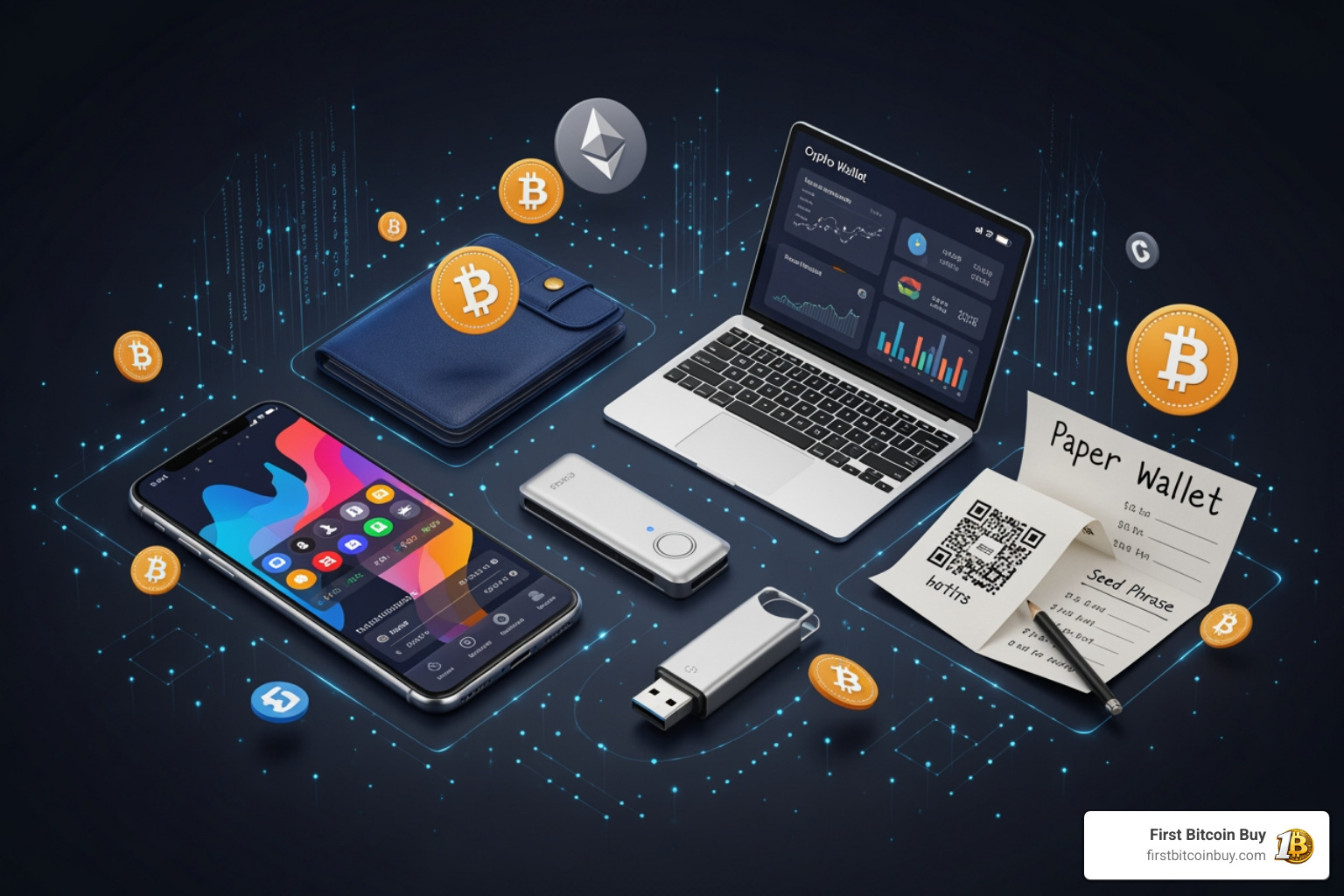
Hot wallets are crypto wallets that are connected to the internet. This continuous online connection makes them incredibly convenient for everyday transactions, quick trading, and interacting with the decentralized web (Web3). They are generally software-based and come in various forms:
- Desktop Wallets: Software installed directly on your computer.
- Mobile Wallets: Applications on your smartphone, offering portability.
- Browser Extension Wallets: Plugins for your web browser that allow seamless interaction with decentralized applications (dApps).
Pros of Hot Wallets:
- Free and User-Friendly: Many hot wallets are free to download and use, making them an accessible entry point for beginners. Their interfaces are often designed for ease of use.
- Quick Access and Transactions: Being connected to the internet means you can send and receive cryptocurrencies almost instantly, and easily manage your portfolio on the go.
- dApp and Web3 Compatibility: Browser extension wallets, in particular, are essential for interacting with decentralized applications, DeFi platforms, and NFT marketplaces. Wallets are evolving into “superapps” that bundle swaps, staking, and dApp findy.
Cons of Hot Wallets:
- Vulnerable to Online Attacks: Their internet connection is also their biggest weakness. Hot wallets are susceptible to cyberattacks, malware, phishing scams, and other online threats. If your device is compromised, your funds could be at risk. We’ve seen how online wallets are inherently exposed to these dangers.
- Third-Party Risks: While many hot wallets are self-custodial (meaning you hold your private keys), some might integrate with exchanges or third-party services, introducing additional layers of risk.
For smaller amounts of crypto that you plan to use frequently, a hot wallet can be an excellent choice due to its convenience. However, vigilance and strong security practices are absolutely essential.
Cold Wallets: For Maximum Security
Cold wallets, in stark contrast to hot wallets, are crypto wallets that store your private keys entirely offline. This air-gapped nature makes them significantly more secure against online threats, making them the preferred choice for storing substantial amounts of cryptocurrency for the long term.
The most common types of cold wallets include:
- Hardware Wallets: These are physical electronic devices, often resembling a USB stick, specifically designed to store your private keys offline. They require physical interaction (like pressing buttons or entering a PIN) to authorize transactions, adding a crucial layer of security.
- Paper Wallets: This involves printing your public and private keys (or seed phrase) onto a piece of paper and storing it in a secure physical location. While simple and free, they carry risks of physical damage, loss, or degradation.
Pros of Cold Wallets:
- Highest Level of Security: By keeping your private keys offline, cold wallets are immune to most cyberattacks, malware, and phishing attempts that plague hot wallets. They offer best security and control.
- Protection Against Exchange Failures: If you store your crypto on an exchange, you’re trusting that exchange with your funds. A cold wallet protects you from potential exchange hacks or failures, as you maintain full custody of your private keys.
- Ideal for Long-Term Storage: For those looking to “HODL” (hold on for dear life) their crypto for years, a cold wallet is the gold standard.
Cons of Cold Wallets:
- Cost: Hardware wallets typically come with a one-time purchase cost, ranging from around $49 for entry-level models to $500 for high-end devices.
- Less Convenient: The offline nature means they are less convenient for frequent transactions. You need to physically connect the device and go through a few more steps to sign a transaction, which can be slower.
- Risk of Physical Loss or Damage: While secure from online threats, cold wallets are vulnerable to physical risks. Losing the device, or having the paper wallet damaged by fire, water, or simply fading ink, can lead to irreversible loss of funds if your seed phrase isn’t securely backed up.
For anyone serious about securing their cryptocurrency investments, especially larger amounts, investing in a hardware wallet is widely considered the most secure approach. It’s a critical step in taking true control over your digital assets.
Learn how to keep your crypto safe
Choosing and Securing Your First Wallet
Stepping into cryptocurrency means taking charge of your financial security in a new way. Choosing your first crypto wallet can feel daunting, but by assessing your needs and understanding the fundamental trade-offs, we can make an informed decision together. The key is balancing security with convenience, and for beginners, it’s often wise to start small and gradually increase your holdings as you gain confidence.
Think about how often you plan to transact. Are you looking to make frequent trades or interact with decentralized applications (dApps) daily? Or are you primarily interested in buying and holding for the long term? Your activity level will heavily influence whether a hot wallet’s convenience or a cold wallet’s robust security is more appropriate for your primary storage.
As you start on this journey, it’s also helpful to be aware of potential pitfalls. We’ve compiled common mistakes that new users often make, which can help you avoid them: More info on avoiding common pitfalls
Key Features to Consider
When evaluating crypto wallets, consider these essential features to find one that best suits your needs and risk tolerance:
- Security Features: This is paramount. Look for wallets that offer robust security measures such as two-factor authentication (2FA), which adds an extra layer of protection beyond just a password. Some advanced wallets even include features like front-run protection and built-in “Wallet Guard” systems to alert you to suspicious transactions. For online wallets, ensure you enable all available security features and stay vigilant against suspicious activity.
- Supported Cryptocurrencies: Not all wallets support all cryptocurrencies. If you plan to hold Bitcoin, Ethereum, or a variety of altcoins, ensure the wallet you choose supports all the assets you intend to acquire. Some wallets support thousands of coins and tokens, while others specialize in just a few.
- User Interface (UI) and Experience: Especially for beginners, a clean, intuitive, and easy-to-steer user interface can make a world of difference. A good UI simplifies sending, receiving, and managing your crypto, reducing the chance of errors.
- Backup and Recovery Options: A reliable wallet will provide clear instructions on how to back up your seed phrase and recover your funds if your device is lost or damaged. The ability to easily restore your wallet using your seed phrase is a critical safety net.
- dApp and Web3 Compatibility: If you’re keen to explore the broader world of Web3, including decentralized finance (DeFi), NFTs, or blockchain gaming, you’ll need a wallet that can connect seamlessly to dApps. Many modern crypto wallets are evolving into “superapps” that facilitate these interactions, offering features like token swaps, staking, and bridging within the wallet itself.
Essential Security Practices for all crypto wallets
Once you’ve chosen a crypto wallet, implementing strong security practices is non-negotiable. Your vigilance is the ultimate safeguard for your digital assets.
- Never Share Your Seed Phrase: This cannot be stressed enough. Your seed phrase is the master key to all your funds. Keep it private, offline, and never, ever type it into any website or app unless you are performing an official wallet recovery on a trusted platform. We advise writing it down on paper and storing it in multiple secure, physical locations.
- Secure Offline Backup: Whether you use a hot or cold wallet, always create a secure, offline backup of your seed phrase. This protects you against device loss, damage, or software corruption. Consider using fireproof and waterproof methods for long-term storage.
- Phishing Scam Awareness: Be extremely wary of unsolicited emails, messages, or websites asking for your wallet information or private keys. Always bookmark the official websites for your wallet and exchanges, and only use those bookmarks. Scammers often create fake websites that look identical to legitimate ones to trick you into revealing your credentials.
- Using Strong, Unique Passwords: For any hot wallet that requires a password (like a mobile or desktop app), use a strong, unique password that you don’t use for any other online service. Consider using a password manager.
- Verifying Addresses: Before sending any cryptocurrency, always double-check the recipient’s wallet address. Copy-pasting errors are common, and once a transaction is sent on the blockchain, it is irreversible. Some users even send a small “test” transaction first, especially for large amounts, to ensure the address is correct.
- Keep Software Updated: Ensure your wallet software (for hot wallets) and firmware (for hardware wallets) are always up to date. Updates often include critical security patches that protect against newly finded vulnerabilities.
In crypto, you are your own bank. This freedom comes with the responsibility of being your own security guard. For more in-depth information on safeguarding your Bitcoin, we have a dedicated resource: More info on Bitcoin security. Additionally, a comprehensive guide on general crypto security practices can be found here: Protecting yourself and your funds
Frequently Asked Questions about Crypto Wallets
As we steer the exciting, yet sometimes complex, landscape of cryptocurrency, certain questions about crypto wallets pop up more often than others. Let’s tackle some of the most common ones to solidify our understanding.
What’s the difference between a crypto wallet and an exchange account?
This is one of the most crucial distinctions for newcomers. While both can appear to “hold” your crypto, their underlying mechanisms and implications for your ownership are fundamentally different.
- Crypto Wallet (Self-Custodial): When we talk about a crypto wallet in the context of self-custody, we mean a wallet where you hold the private keys. This gives you direct, unmediated control over your digital assets. Your crypto isn’t actually “in” the wallet; it’s on the blockchain, and your wallet simply provides the keys to access and manage it. This is the essence of the crypto mantra: “Not your keys, not your coins.” With a self-custodial wallet, no third party can freeze your funds, block your transactions, or take your crypto away from you. It’s true financial sovereignty.
- Crypto Exchange Account (Custodial): When you buy crypto on an exchange like Coinbase and leave it there, you are essentially trusting the exchange to hold your funds for you. The exchange maintains custody of the private keys associated with your crypto. While you have an account with a username and password, you don’t directly control the cryptographic keys. This arrangement is convenient for trading and converting crypto to fiat currency, but it comes with inherent risks. If the exchange is hacked, goes bankrupt, or decides to freeze your account for any reason, your funds could be at risk because you don’t hold the keys.
In summary, an exchange account is primarily for buying, selling, and trading, often acting as a bridge between traditional finance and crypto. A self-custodial crypto wallet, on the other hand, is for truly owning, securing, and managing your digital assets independently. Many users use exchanges to acquire crypto and then transfer it to their personal wallets for secure, long-term storage.
If you’re looking to understand more about how to use an exchange like Coinbase, our beginner’s guide is a great resource: Read our guide on using an exchange
Can I have more than one crypto wallet?
Absolutely, and in fact, it’s a practice we highly recommend! Having multiple crypto wallets can significantly improve your security, help you manage different types of assets, and improve your overall organization. Think of it like having different bank accounts for different purposes (e.g., checking, savings, investment).
Many experienced crypto users adopt a strategy that involves:
- A Hot Wallet for Daily Spending and Active Use: This wallet, connected to the internet, is convenient for small, frequent transactions, interacting with dApps, or short-term trading. You might keep a smaller amount of crypto here, similar to carrying petty cash.
- A Cold Wallet for Long-Term Savings (HODLing): For larger amounts of cryptocurrency that you intend to hold for extended periods, a cold wallet (like a hardware wallet) provides maximum security. This is your digital “savings account” that is kept offline, away from potential online threats.
Using multiple wallets also allows us to diversify risk. If one hot wallet were ever compromised, only a portion of your total holdings would be at risk, rather than everything. It’s a smart way to categorize your assets and tailor your security approach to different use cases.
What happens if I lose my wallet?
The answer to this depends entirely on whether you’ve lost the physical device (e.g., your phone, computer, or hardware wallet) or if you’ve lost access to your private keys/seed phrase. This distinction is critical in the crypto world.
- Losing the Device, but Having Your Seed Phrase: If you lose your phone with your mobile wallet, or your hardware wallet goes missing, it’s certainly a stressful situation. However, if you have securely backed up your seed phrase (that 12- or 24-word recovery phrase), you can usually recover access to all your funds. You would simply acquire a new wallet (either a new hardware device or download the software on a new phone/computer) and use your seed phrase to restore your wallet. All your cryptocurrency would then appear in the new wallet, exactly as it was. This highlights why backing up your seed phrase offline in multiple secure locations is the single most important security step you can take.
- Losing Your Seed Phrase (and thus your private keys): This is the nightmare scenario. If you lose your seed phrase and have no other way to access your private keys, then your cryptocurrency is likely unrecoverable. There is no central authority, no customer service, and no “forgot password” option to help you. Once the keys are lost, access to the funds on the blockchain is gone forever. This underscores the immense responsibility that comes with self-custody. Your seed phrase is the literal key to your digital fortune, and its loss means irreversible loss of funds.
Therefore, we cannot overstate the importance of securely backing up your seed phrase. It’s your ultimate safety net in the decentralized financial world.
Conclusion: Taking Control of Your Digital Assets
As we’ve explored, crypto wallets are far more than just digital containers; they are your gateway to true ownership and sovereignty over your digital assets. Understanding their mechanics – from the interplay of public and private keys to the critical role of your seed phrase – empowers us to steer the crypto landscape with confidence.
The journey into cryptocurrency is one of embracing responsibility. While the concept of self-custody might initially seem daunting, it ultimately offers unparalleled control and security compared to traditional financial systems. By choosing the right type of wallet for your needs, diligently practicing essential security measures, and staying informed, we can safeguard our investments effectively.
At First Bitcoin Buy, our commitment is to guide you safely through your initial steps in the cryptocurrency industry, focusing on security and avoiding common pitfalls. We believe that with the right knowledge and tools, anyone can confidently participate in this exciting new financial frontier.
Ready to take the next step in securing your digital future?
Download our free beginner checklist
If you’re feeling prepared to begin your journey into cryptocurrency, we’re here to help you get started safely:
Ready to get started? Learn how to safely buy Bitcoin